The Role of Pruning in Plant Growth
Pruning is an essential gardening task that helps plants thrive. It involves the selective removal of certain parts of a plant, like branches or buds, to improve its health and productivity. When done correctly, proper pruning can lead to enhanced flowering and fruit production. Understanding how and when to prune can make a significant difference in your garden’s success. By focusing on healthy growth patterns and removing dead or overcrowded limbs, you allow the plant to focus its energy on producing beautiful blooms and bountiful fruits.
Timing Is Everything for Optimal Results
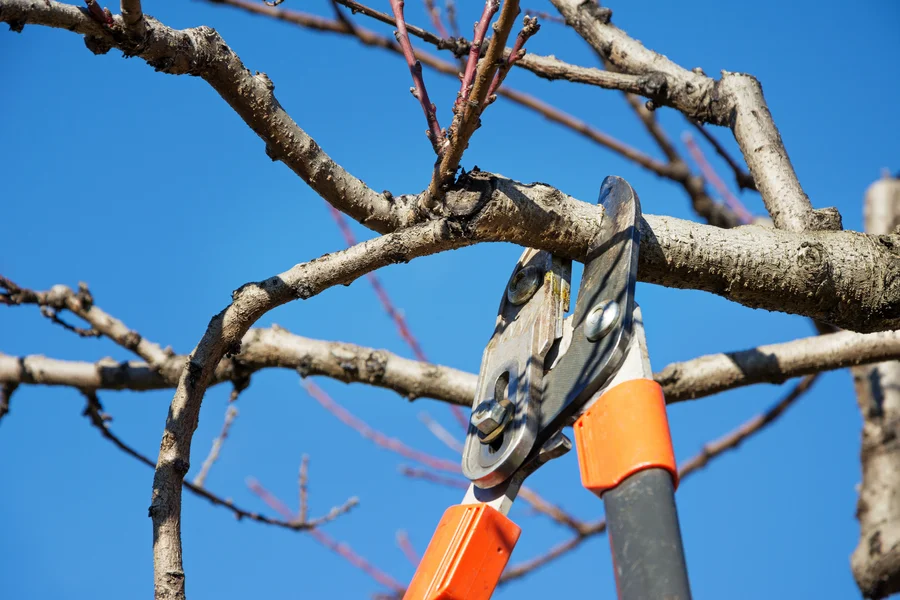
The timing of tree pruning plays a crucial role in encouraging flowering and fruit production. Different plants have specific times when they benefit most from pruning. For instance, many fruit trees are best pruned during their dormant season, while certain flowering shrubs might require attention right after they bloom. Pruning at the correct time ensures that you’re not cutting off developing buds or affecting the plant’s natural growth cycle, thereby maximizing the potential for flowers and fruit.
Techniques That Boost Blooms
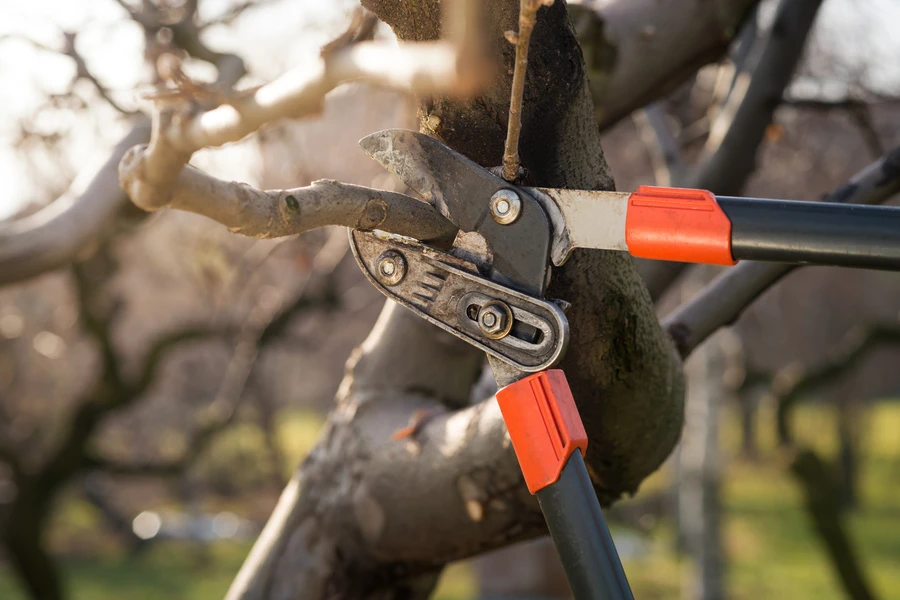
When it comes to enhancing flower and fruit yields, employing the right pruning techniques is vital. Thinning cuts, which involve removing entire branches back to their point of origin, can open up the canopy and increase sunlight penetration. This encourages better air circulation and reduces disease risk. Heading cuts, where you shorten branches back to a bud, can stimulate new growth and create a fuller structure. These methods, used appropriately, contribute significantly to increased blooms and fruit.
Understanding Plant Needs and Responses
Every plant species reacts differently to pruning, so understanding these responses is key to proper care. Some plants may react positively with more vigorous growth and abundant flowering, while others might need more careful handling to avoid stress. Recognizing these differences allows gardeners to tailor their approach, ensuring each plant receives what it needs to flourish without unnecessary harm or reduction in yield.
Advantages of Regular Maintenance
Keeping up with regular maintenance through pruning provides numerous benefits beyond just boosting flowering and fruiting. It helps shape the plant into a more aesthetically pleasing form, eliminates dead or diseased wood that could harbor pests, and prevents overcrowding. Regularly maintained plants tend to be healthier overall, leading to longer lifespans and consistent productivity.
Common Mistakes and How to Avoid Them
Mistakes in pruning can lead to reduced bloom and fruit production or even harm the plant. One common error is over-pruning, which removes too much foliage and stresses the plant. Another mistake is using improper tools that damage stems or introduce disease. Gardeners should ensure they use clean, sharp tools and take time to understand their plants’ specific needs before starting any major pruning work.
Cost Considerations for Effective Pruning
The cost of professional pruning services can vary widely based on plant type, size, and location. Investing in quality tools if tackling this task yourself can save money long term while ensuring better results. Additionally, learning about your plants’ specific needs can reduce costs associated with incorrect pruning practices, such as needing replacements for damaged plants.
Call Today for Expert Pruning Advice
If you’re looking to enhance your garden’s productivity, consider reaching out for expert advice on proper pruning techniques. Located in Aurora, IL, I am committed to helping your garden thrive. At La Ego Landscaping LLC, I specialize in personalized plant care solutions tailored to your individual needs. Call me today at (331) 293-3655 to learn how I can assist you with all your gardening concerns.